


Top 15 Gucci Handbags for Women 2024 Season: Investment Potential and Pricing
This overview lists the 15 Gucci handbags having the strongest 2024 financial potential, showing current U.S. pricing spans with what you might reasonably anticipate on the pre-owned marketplace. The brief summary: heritage hardware families like Jackie, Horsebit, with Bamboo controlling value retention, particularly for compact to mid- sizes and basic leather types. Use the comparison grid to contrast boutique with resale, then review the specific model-by-model investment approach.
Gucci’s icons perform like blue-chip luxury investments this year, while some recent silhouettes are building strength beneath the brand’s renewed vision. When evaluating investment, emphasize timeless hardware, understated hues with practical sizes meeting actual consumer demand. Rare archived models can outpace retail, but condition, completeness, and authenticity checks decide whether that premium sticks. If you’re balancing wearability with eventual selling power, our models highlighted as foundation pieces offer the best risk-adjusted buys.
What Gucci handbags hold value during 2024?
Pieces with archival hardware and long, cross-era recognition hold the ground: Jackie 1961, Horsebit 1955, Bamboo 1947, plus Diana. Among contemporary designs, Blondie and Horsebit Chain demonstrate growth, while Dionysus maintains steadiness within classic iterations. Entry-price canvas like Ophidia stays liquid, as select discontinued models—Soho Disco and Sylvie 1969—trade beyond final pricing in prime hues plus state.
The most resilient configurations are little through tiny top handles plus shoulder styles in black, brown, and tan leather, followed through GG Supreme canvas with skin details. Limited editions can spike, but mass exposure shortens a cycle, so stick to core SKUs unless you’re trading quickly. Chain-equipped https://www.ggluxresale.com/product/gucci-diana-nano-bag/ formal models such as Horsebit Chain move smoothly across dress codes, supporting pre-owned velocity. Bright seasonal hues can do well at launch, yet neutrals compound worth through extended longer holding timeframe. Buyers who want to wear and resell ought to focus to the heritage pieces; investors might selectively hunt exclusive pieces.
This Year’s Cost and Resale Snapshot
The table summarizes U.S. retail bands with standard resale retention for 2024, by model and typical proportion format. Prices vary through proportions, leather, and area, therefore consider these as working bands rather than fixed markers.
| Model | American store 2024 (USD) | Typical resale retention | Quick investment note |
|---|---|---|---|
| Jackie 1961 Compact | $2,950 to $3,200 | 85–110% | Timeless piece; petite in black or tan leads. |
| 1955 Horsebit Shoulder | $2,700–$3,500 | 85–105% | Heritage metal; GG canvas is consistent. |
| Bamboo 1947 (Small Top Handle) | $4,200-$4,800 range | 85 to 105% | Handcrafted bamboo; limited colors pop. |
| Diana (Small Tote) | $3,600–$4,500 | 90-120% holding | Fame factor; bold straps boost interest. |
| Dionysus (Small) | $2,980-$3,600 range | 75 to 95% | Material preserves; ornamented pieces are spiky. |
| GG Marmont (Small) | $2,690 to $3,100 | 60 to 85% | Ubiquitous; stick to black matelassé. |
| Ophidia (Small) | $1,290-$1,790 range | 65–85% | Budget option; GG Supreme ages beautifully. |
| Blondie (Small) | $3,200–$3,800 | 80-100% holding | ’70s logo ring; clean leather favored. |
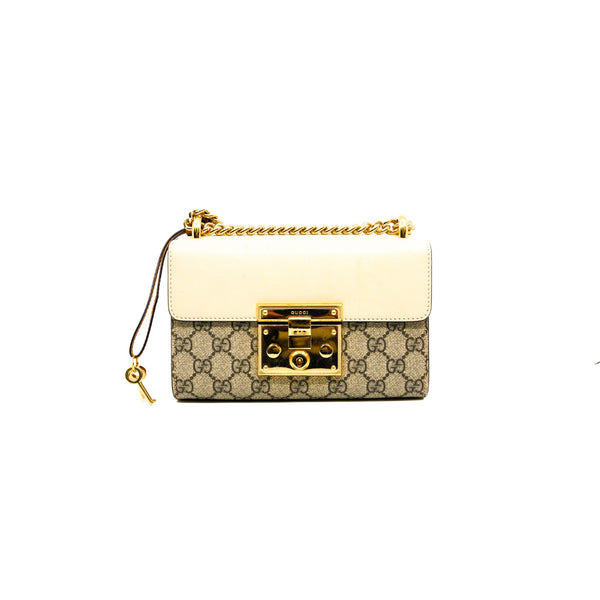
| Small Padlock | $2,450–$2,990 | 70 to 90% | Material combination; check corner wear. |
| Attache Small | $2,800-$3,300 span | 70–90% | Flexible strap; initial De Sarno-era wager. |
| Aphrodite (Small) | $2,500 to $2,900 | 65 to 85% | Curved hobo; safest in black. |
| Horsebit Chain Bag | $3,800–$4,200 | 85-110% holding | Evening-friendly; patent and black dominate. |
| Camera Soho Disco | N/A (discontinued) | 70-110% versus last retail | Secondary market treasure; state drives price. |
| Sylvie 1969 (Small) | N/A (discontinued) | 85-130% versus last retail | Uncommon shades plus exotics soar. |
| Small Bamboo Bucket | $3,300–$3,900 | 70–95% | Specialized shape; bamboo detail adds base. |
Retention spans indicate common outcomes for properly maintained pieces including dust bag and receipt; poor condition can cut realized prices by 15–40%. Regional demand, incremental price increases, with periodic shade swings will shift performance above or down. For discontinued models, scarcity premiums rely around hue, hardware finish, and completeness. If you plan to flip within a year, expect the low end of each band; multi‑year holds for heritage pieces typically creep toward the top end.
What method did rank investment value?
Our analysis emphasized heritage longevity, hardware family, current retail stability, and pre-owned market fluidity. We then layered color and size premiums, state vulnerabilities, plus supply visibility showing actual odds, not merely posted costs.
Liquidity weighs beyond theoretical upside, therefore styles showing consistent sell‑through with reasonable reductions rank higher above unpredictable gems that require ideal coordination. Heritage metal design groups rank best because appetite remains extensive and repeats over cycles. We reduced scores for profiles showing rapid color shifts with common markdown exposure, as those inflate short-term listings and compress margins. Discontinued styles earned scarcity credit only where long-term cultural recognition is there, not just because they’re difficult to locate.
Classic pieces which anchor value
Jackie 1961, plus Horsebit 1955, Bamboo 1947, plus Diana are your primary assets. Small and compact dimensions featuring black, tan, plus camel hide consistently clear via close ranges versus retail, featuring rare markups for rare shades. Jackie 1961’s piston lock and slim hobo profile transitions across day and evening, supporting both wear-time plus secondary momentum. Bamboo 1947 and Diana carry hand-finished bamboo grips, an craft detail establishing cost floors and draws enthusiasts. If you’re acquiring one item to wear extensively then resell cleanly later, commence within this quadrant.
Jackie 1961 Petite near roughly $2,950–$3,200 constitutes the optimal versatile entry, with the extra strap modernizes carrying methods yet breaking the shape. Horsebit 1955 around $2,700–$3,500 leans classic; GG material including leather trim proves somewhat more forgiving to use versus solid leather. Bamboo 1947 near $4,200–$4,800 is pricier, yet the artisanship and smaller quantities warrant superior retention. Diana near $3,600–$4,500 benefits from celebrity visibility, with bright strap shades providing speculative edge. In all four, avoid oversized proportions unless one specifically want a work tote; resale skews towards petite.
Modern essentials featuring momentum
Dionysus, Blondie, plus Attache, with Horsebit Chain merge current aesthetics with recognizable Gucci signatures. Blondie’s circular G logo plate reads fresh without being loud, and small black leather versions are quietly firming up. Horsebit Chain provides dressy polish to a heritage motif, a profile that sells quickly in core shades. Dionysus remains reliable in smooth leather and GG Supreme; extensively embellished editions swing wider. Attache’s modular strap system is clever plus functional, though treat it as mid‑level risk, medium‑reward hold unless one gets a core hue first.
Price-wise, Dionysus Small sits around $2,980–$3,600, Blondie Small near $3,200–$3,800, Attache Small roughly $2,800–$3,300, plus Horsebit Chain around $3,800–$4,200. If you want one “trend‑aware” play with a backstop, pick Horsebit Chain featuring black hide and keep it pristine. For Blondie, smooth leather shows wear, so factor a leather care routine into your cost basis. Reserve crystal, decoration, plus seasonal textures for collecting, not for flipping on a timetable. As momentum builds, revisit these models in six or twelve months for signs of inventory tightening.
Reasonably costed staples
Ophidia, Padlock, with Aphrodite are the practical end of the collection where expense of entry is lower and liquidity is high. Ophidia in GG Supreme is a durable daily bag, and the price band keeps buyer pools wide. Padlock’s fabric-hide blend makes corners the fragile area; buy with clean piping and sell before significant damage accumulates in. Aphrodite’s rounded hobo silhouette are trending, but stick to black to minimize scratch visibility and fashion vulnerability. These models aren’t meant to moon; they’re for dependable wear with controlled exposure.
Ophidia’s compact sizes cover about $1,290–$1,790, drawing initial luxury buyers plus supporting pre-owned demand. Padlock Small lands around $2,450–$2,990, and neutral trims perform best. Aphrodite Small near $2,500–$2,900 is new adequately to appear current without appearing uncertain across core colors. Should buyers assign a fixed budget, one heritage anchor plus one within these workhorses balances the collection. Keep boxes, dust covers, and receipts to sustain activity when you leave.
Discontinued cult pieces worth chasing
Soho Disco plus Sylvie 1969 have the rarity bonus plus social proof to merit seeking. Soho Disco’s small camera profile still headlines journey plus informal outfits, and perfect textured hide pairs to strong pricing. Sylvie 1969, notably across exotic colors or unusual accents, may clear well over previous costs because production stayed restricted with the hardware becomes immediately recognizable. Both reward patience and authentication diligence, since condition spreads are wide. Treat these items as calculated buys rather than daily workhorses if you seek to maintain upside.
On Soho Disco, prioritize sharp corners, intact trim, with pristine interior; pay a premium for full set pieces plus current spa receipts. With Sylvie 1969, inspect chain‑and‑web metal coordination, closure tension, and border finish for avoid expensive maintenance. Expect pricing fluctuations across hues; black and neutral create the floor, while bold with unusual shades can hit the maximum of the span. If a offer looks reduced for condition, anticipate bidding with move quickly including authentication. Scarcity helps, yet merely the right specimen converts that into outcome.
Fresh versus used: the smarter move today
Purchase fresh if it’s a core icon in a core leather or a hot drop with visible waitlists; otherwise, pre‑owned reduces your risk by 15–35%. With pieces one plan to wear for several years, new may be logical if you require protection access and the specific configuration. If you aim to trade inside twelve months, pre-owned in excellent condition including complete set is the superior deal. Discontinued pieces revert to used; time returns via following value histories and comparable sales. In every scenario, negotiate condition-first, not just price-first.
Market rhythm matters. New prices tend to ratchet up annually, potentially lifting resale floors for classics, thus a well-timed store buy yet works. Pre‑owned areas decline throughout late summer and early January, useful windows for consumers. If a model is everywhere on social media, anticipate near-term oversupply and wait. Keep a ongoing compact catalog with target spans allowing you can act once a posting hits your criteria.
Upkeep, materials, with color strategy for holding power
Neutral leather in small-to-medium sizes stacks the best odds, followed by GG Supreme fabric featuring leather trim. Maintain with filling and a gentle buffer among chain and material stopping indentations, and rotate carry to reduce corner wear. Track edge paint, corners, and hardware micro-scratches; such represent the line items purchasers examine plus deduct for. Bypass extensive ornamentation and heavy patent throughout everyday use if buyers enhance future value. Maintain documentation, store stamps, and all accessories together to lift realized price and speed up the transaction.
When picking across comparable listings, pick the one with cleaner corners, then the one with the improved record keeping. If you seek a limited color, buy it to enjoy, not to resell; the anomaly is a documented limited run tied to an event or capsule. For Bamboo plus Diana, treat the bamboo detail including care and skip extended warmth to prevent breaking. For fabric pieces, maintain trims promptly while preventing shade transfer from dark indigo fabric. A simple care regimen builds value over years through a way most consumers underappreciate.
